In the US commercial amusement industry, the cost of mall real estate is rising, making “Revenue Density” the most important metric for success. A recent success story from a US indoor arcade owner demonstrates how a strategic selection of just 7 high-interactivity units in a compact 100㎡ space can generate an astounding $3,000 average daily revenue.
This case study breaks down the exact equipment mix, pricing strategy, and layout optimization that led to a monthly turnover of $90,000.
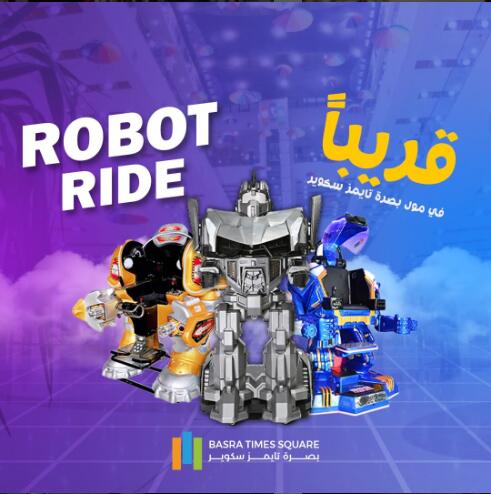
Table of Contents
1.The Winning Equipment Mix-Diversity in a Small Footprint
The operator didn’t just buy random machines; they curated a “Power Mix” that caters to different age groups and interests within the same family unit.
- 3 Robot Kiddie Rides (Walking Robots): The “Anchor Attraction.” These futuristic giants offer high visual impact and an immersive “pilot” experience that captivates children instantly.
- 2 Happy Moonwalk Cars: The “Social Ride.” Perfect for 360° spinning and interactive play, often attracting siblings or friends to ride together.
- 2 Harli Motorcycles: The “Classic Appeal.” These provide a sleek, cool aesthetic that appeals to older kids and creates perfect “Instagrammable” moments for parents.
2. Revenue Analysis-The $3,000/Day Blueprint
The US operator implemented a premium pricing model that reflects the high quality and novelty of the equipment.
- Pricing: $15 per 10-minute session.
- Daily Average: ~$3,000 (across 7 units).
- Weekend Peaks: Often exceeding $4,000 per day.
- Monthly Projection: ~$90,000.
While these figures are based on high-traffic US shopping malls, the model proves that even at 50% capacity, the ROI remains significantly higher than traditional static arcade games.
3.Layout & Branding-The Science of “Flow”
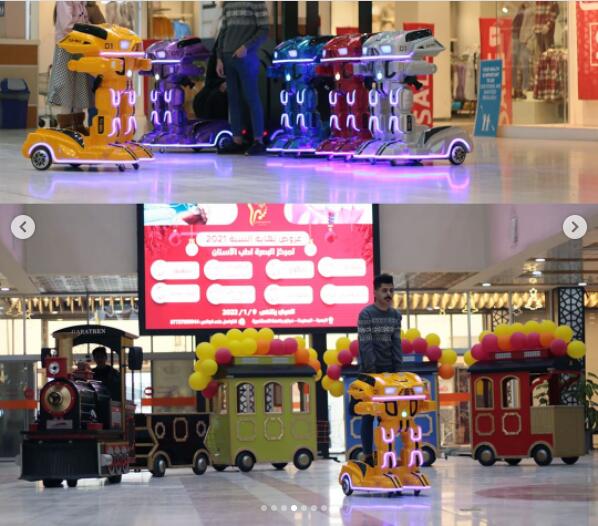
The 100㎡ venue was optimized using a Central-Peripheral Layout:
- Central Zone: Robots and Moonwalk Cars act as “Visual Anchors,” drawing people in from the mall corridors.
- Peripheral Distribution: Harli Motorcycles are placed along the pathways to catch “impulse” riders walking by.
- Custom Branding: Each machine features custom logos, transforming the equipment into a marketing tool that builds the arcade’s local brand identity rather than just being generic toys.
4.Why This Model is Scalable
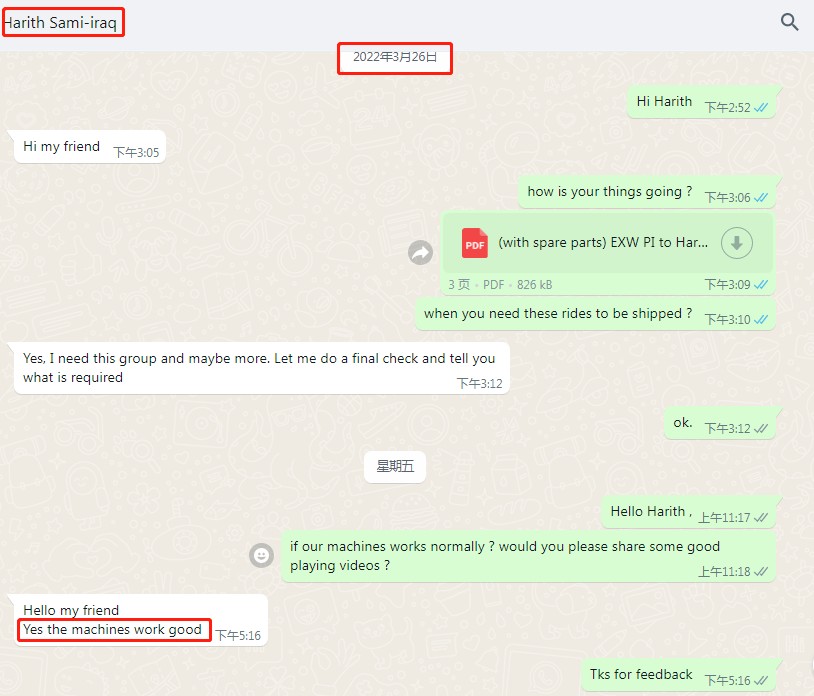
Low Maintenance, High Up-Time: The US client reported zero major technical issues despite continuous operation. Durable R&D ensures that the “revenue engine” never stops.
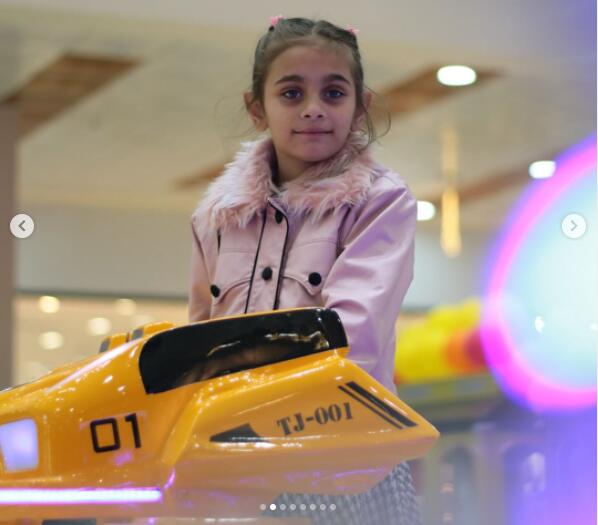
Parental Engagement: Unlike screen-based games, these physical, moving rides encourage parents to take photos and videos, providing free social media marketing for the venue.
Flexible Footprint: This 100㎡ blueprint can be easily replicated in airport lounges, hotel lobbies, or smaller community centers.
Conclusion-High Impact, Small Space
The US arcade case proves that you don’t need a 1,000㎡ facility to build a six-figure business. By selecting 7 high-interaction rides—specifically the Walking Robot and Moonwalk Car—and focusing on a premium $15/session price point, investors can achieve rapid cost recovery and sustainable growth. Quality and interactivity are the true keys to dominating the modern arcade market.
Frequently Asked Questions (FAQ)
Q: Is $15 for 10 minutes too high for a kiddie ride?
A: In premium US mall environments, customers are willing to pay for “Experiences” over “Games.” The immersive nature of walking robots justifies a higher price point compared to traditional $1–$2 stationary rides.
Q: How many staff members are needed to manage 7 rides?
A: Because these rides are intuitive and safe (equipped with sensors), a single well-trained staff member can typically manage the ticketing and boarding for a 100㎡ area.
Q: Can I customize the rides with my own arcade logo?
A: Yes. We offer full OEM/branding services. Adding your logo helps build long-term brand equity and makes your venue look more professional to mall landlords.
Q: What power requirements are needed for an indoor setup like this?
A: These are battery-operated units designed for easy overnight charging. A standard commercial power outlet is sufficient to charge the fleet after hours.